


about
About
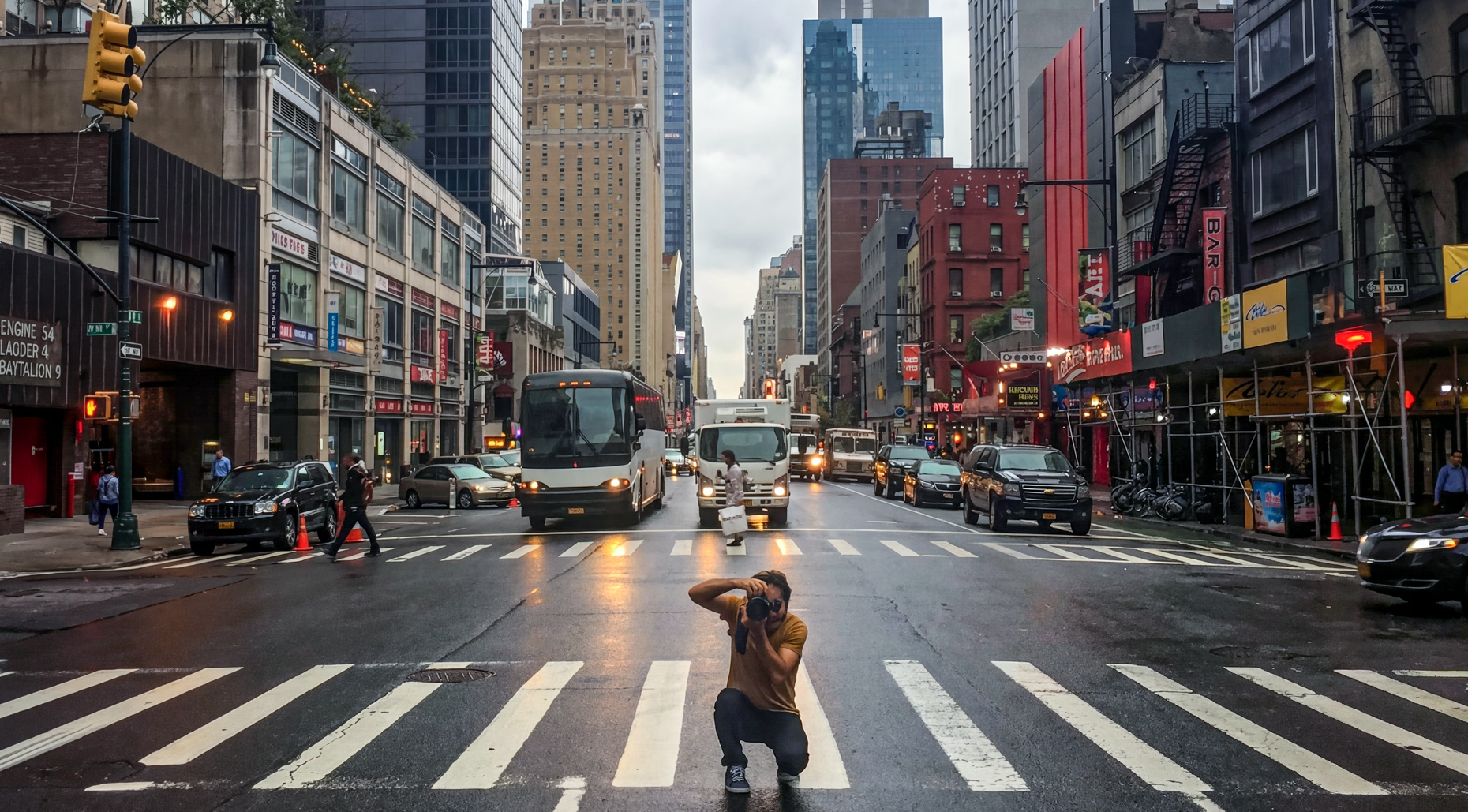
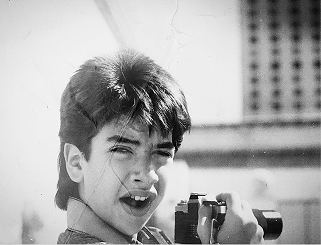
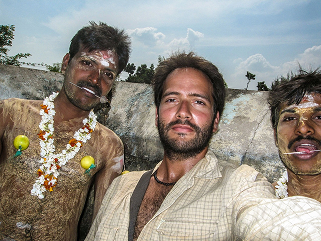
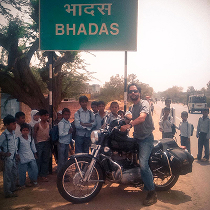
Cory Goldberg is an artist whose current practice is centered on photography, based between New York and India. He began making photographs at the age of twelve and later earned a BFA in Photography from NYU’s Tisch School of the Arts.
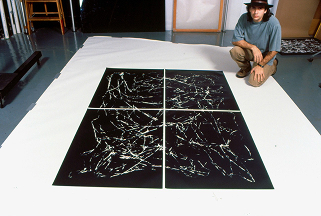
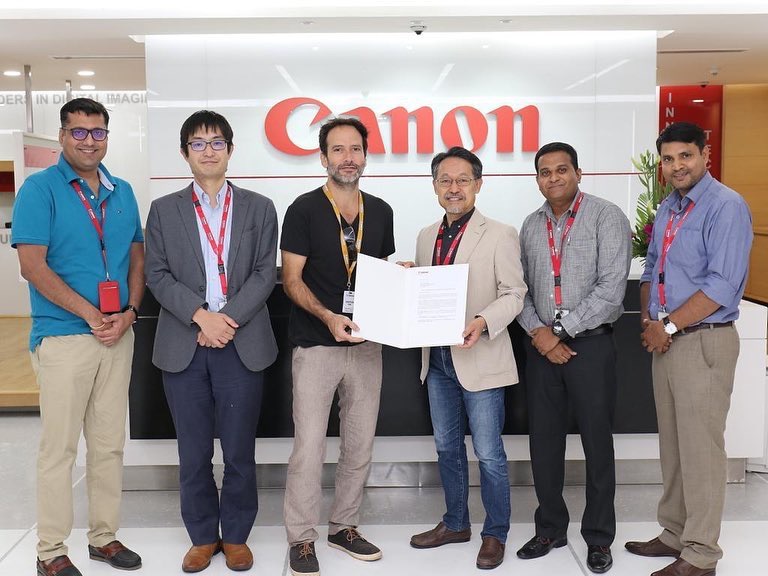
His engagement with conceptual art began during his years at NYU, where his work included photography, photograms, video, sound, and installation. After a long professional career in photography, including six years as an ambassador for Canon India, he has recently returned to the conceptual practice that first shaped his work.
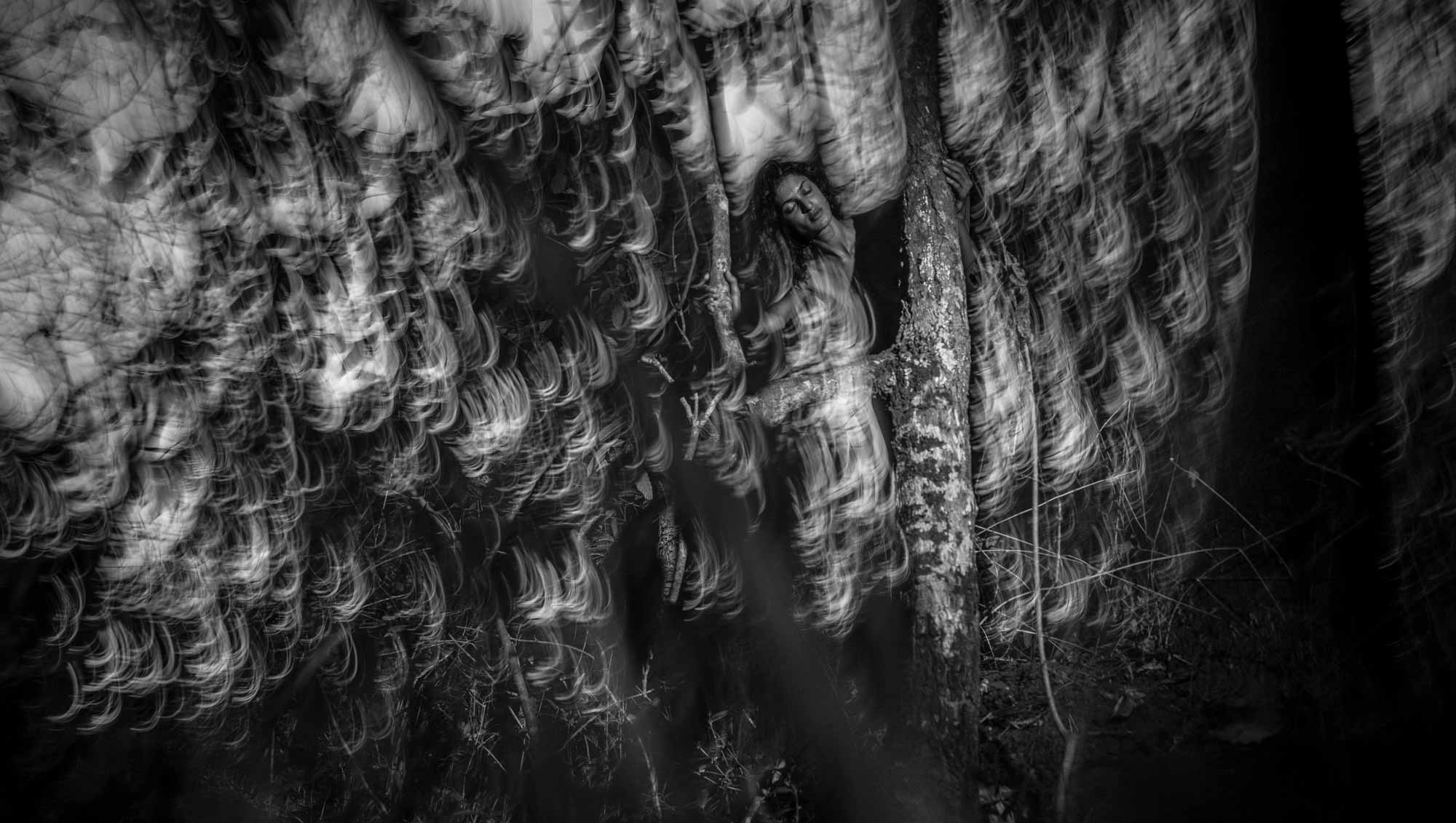
His current work spans several ongoing bodies of work, including Drench, Break, Umbra, Luminal, and Pass. While aesthetically distinct, the series share recurring interests in time, movement, the human form, light, chance, and the instability of photographic representation.
He continues to divide his time between New York and India.




Artist Statement
I am interested in the ways photography can make seemingly fixed things unstable. Much of my work deals with time, movement, the human form, light, chance, and the shifting territory between the recognizable and the abstract.
The larger framework I use for much of the work is Stil/Moving. The slash functions as both division and connection, and visually completes the missing “l” in Still. The phrase reflects an idea I return to repeatedly: that the notion of photography “freezing a moment” is more complicated than it first appears. A photograph made at a fraction of a second and a photograph made over several minutes can both claim to represent a moment in time. Both are true. Both are lies.
Across different bodies of work, I use movement, long exposures, strobe, water, darkness, intentional camera movement, and changing environments to interfere with the apparent certainty of the photograph. Sometimes the result occupies a threshold state, where a body can appear simultaneously solid and dissolving, recognizable and partially unrecognizable, still and moving. In other work, the transformation is more direct: water redraws a face, a breaking wave obscures or envelops a figure, or movement leaves the figure only partially resolved.
I tend to begin with a fairly specific idea and control the circumstances around it carefully. Then I deliberately introduce elements that I cannot completely control. Water moves where it wants. Waves arrive differently each time. A body shifts. A handheld light traces an imperfect path. The camera moves. A person passes through the frame at an unpredictable moment. I can create the conditions for a photograph, but I cannot fully determine the photograph itself. Chance is a prerequisite for nearly all the work I create.
The people in these images are real people I have met and photographed. Even when the resulting image approaches abstraction, it remains a record of an actual person, an actual physical event, and a particular moment that occurred in front of the camera.
I am wary of assigning fixed narratives to the photographs. Water, movement, facial expressions, blurred figures, and other elements remain open to interpretation. I want the images to retain enough ambiguity for the viewer to find their own associations, meanings, and points of recognition.
I’m much more interested in questions than answers.